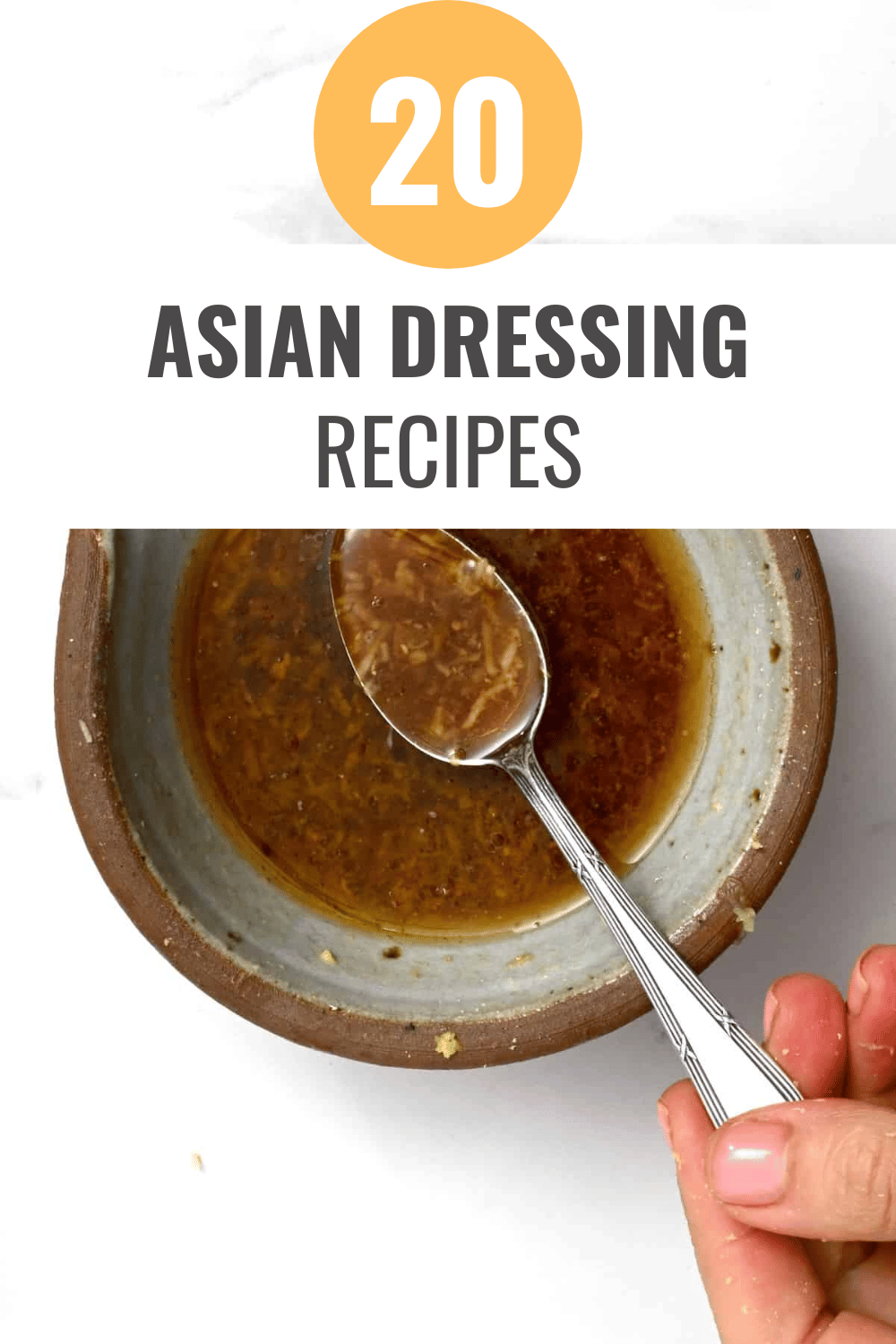
Unlock a World of Flavor with Versatile Asian Dressing
Are you stuck in a culinary rut, craving an exciting twist for your everyday meals? Imagine a single, vibrant concoction that can transform ordinary salads into gourmet experiences, elevate grilled proteins, and add a zesty punch to your favorite noodles. Look no further than a homemade asian salad dressing. This isn't just a condiment; it's a passport to a world of bold, balanced flavors, incredibly easy to make, and remarkably versatile for any meal.
Forget the days of bland dressings and limited options. Crafting your own easy asian dressing at home puts you in control, allowing you to tailor every note – from tangy and sweet to savory and spicy – precisely to your palate. With a handful of pantry staples and a few minutes of your time, you can whip up a dressing that promises to breathe new life into your cooking and impress even the most discerning diners.
The Magic Behind Homemade Asian Salad Dressing: Why It Works
There's a distinct charm and undeniable advantage to making your asian salad dressing from scratch. Unlike store-bought varieties that often contain preservatives, excessive sugar, or unhealthy oils, a homemade version offers transparency and quality you can trust. It's a game-changer for anyone looking to eat healthier without sacrificing flavor.
- Unmatched Freshness: Utilizing fresh ingredients like ginger and garlic makes a monumental difference in taste.
- Customization is Key: You have complete control over the flavor profile, allowing you to adjust sweetness, saltiness, and tang to your liking.
- Dietary Adaptability: Easily accommodate specific dietary needs, whether it's gluten-free, low-sodium, or vegan.
- Economical Choice: Often more cost-effective than purchasing specialty dressings.
- Versatility Personified: As we'll explore, this dressing transcends the salad bowl, proving its worth in countless culinary applications.
The beauty of this particular dressing lies in its perfect balance of tangy vinegar, savory soy sauce, aromatic sesame oil, and often a hint of sweetness and spice. This intricate dance of flavors is what makes it so incredibly satisfying and universally appealing.
Building Your Flavor Foundation: Essential Ingredients for Asian Dressing
The core of any great asian salad dressing relies on a few fundamental ingredients that harmoniously come together. Think of these as your building blocks, each playing a crucial role in creating that signature vibrant taste.
- Soy Sauce: The cornerstone of savory depth. Opt for reduced-sodium soy sauce if you're watching your salt intake. For those avoiding gluten, Tamari or gluten-free soy sauce are excellent alternatives, ensuring everyone can enjoy this delicious creation.
- Rice Vinegar: Provides a delightful tang and bright acidity without being overly harsh. Its mild, slightly sweet profile is ideal. Some recipes might use cider vinegar for a slightly different note, which also works wonderfully.
- Sesame Oil: A tiny drizzle goes a long way, imparting a rich, nutty, and distinctly Asian aroma and flavor. Be mindful that sesame oil is potent, so use it sparingly to avoid overpowering other ingredients.
- Sweetener (Honey or Maple Syrup): Balances the saltiness and acidity. Honey adds a floral note, while maple syrup offers a slightly richer, more caramel-like sweetness. Brown sugar or granulated sugar can also be used if preferred.
- Fresh Ginger: For that invigorating zing! Freshly grated ginger offers a bright, pungent warmth that ground ginger simply can't replicate, though ground ginger can be used in a pinch.
- Garlic: Because, as many chefs agree, everything is better with garlic! Minced fresh garlic adds a foundational savory aroma and a gentle kick.
This basic combination creates a robust and incredibly flavorful dressing. A typical starting point might involve proportions like 3 parts oil (like olive oil or a neutral oil such as canola/grapeseed) to 2 parts soy sauce, 1.5 parts rice or cider vinegar, with smaller amounts of sesame oil, honey, ginger, and garlic to taste. For example, a popular blend uses 4 tbsp olive oil, 3 tbsp soy sauce, 2 tbsp sesame oil, 1½ tbsp honey, and 4 tbsp cider vinegar as a great starting point.
Elevating Your Asian Dressing: Beyond the Basics
While the core ingredients create a fantastic foundation, the true artistry of a versatile asian dressing comes from experimentation with optional additions. These extras can transform your basic dressing into something truly extraordinary, catering to diverse tastes and culinary applications.
- For a Citrus Twist: A squeeze of fresh lime juice can add a bright, zesty note, particularly good for seafood or lighter salads.
- For a Hint of Heat: A pinch of red pepper flakes or a dash of sriracha can introduce a delightful warmth. Adjust the quantity to your preferred spice level.
- For Creaminess and Richness:
- Kewpie Mayo: A spoonful can create a luxuriously creamy and umami-rich dressing, often used in Japanese-inspired preparations.
- Peanut Butter or Tahini: For a more substantial, nutty, and creamy texture, these additions are fantastic, especially for noodle bowls or heartier salads.
- Mirin: A splash of this sweet Japanese rice wine adds a nuanced sweetness and depth.
- For Texture and Aroma: Toasted sesame seeds are a simple yet effective way to add a lovely crunch and enhance the nutty sesame flavor.
- For Alternative Bases:
- Coconut Aminos: A milder, sweeter, and soy-free alternative to soy sauce, great for those with soy allergies or looking for a different flavor profile.
- Lighter Oils: While olive oil works, canola or grapeseed oil can provide a more neutral base, allowing other flavors to shine.
Don't be afraid to play around! This is where your inner chef truly comes alive. A simple taste test and minor adjustments can lead to your signature blend.
Crafting Your Homemade Asian Dressing: A Simple 5-Minute Process
One of the most appealing aspects of making your own asian salad dressing is the sheer ease and speed of preparation. You don't need fancy equipment or advanced culinary skills. In fact, you can have a fresh batch ready in under 5 minutes, making it perfect for quick weeknight meals.
Here’s how to do it:
- Gather Your Ingredients: Lay out all your chosen components – soy sauce, rice vinegar, sesame oil, sweetener, ginger, garlic, and any optional add-ins. Using fresh ingredients truly makes a difference.
- Combine: Whether you prefer a mixing bowl and a whisk or a mason jar with a lid, simply add all your ingredients. The mason jar method is fantastic for minimal cleanup.
- Emulsify: If using a bowl, grab your whisk and get ready to work! Whisk vigorously until all the ingredients are thoroughly combined and the mixture looks uniform and slightly emulsified – a lovely, golden liquid. If using a jar, tightly secure the lid and shake it like a maraca until everything is perfectly blended. This process is surprisingly therapeutic!
- Taste and Adjust: This is the crucial step. Dip a spoon and taste. Does it need more sweetness? A little more tang? Perhaps a dash more sesame oil? Adjust according to your preference. Remember, you are the chef!
- Serve or Store: Your vibrant, fresh homemade asian salad dressing is now ready to use. Store any leftovers in an airtight container in the refrigerator for up to a week.
For a detailed, step-by-step guide on how to whip this up in a flash, check out this Homemade Asian Salad Dressing: Easy 5-Minute Recipe.
Unleash the Versatility: More Than Just Salads
The phrase "salad dressing" truly undersells the incredible utility of this concoction. While it excels at enlivening a bed of greens or a crunchy Asian slaw, its complex flavor profile makes it a powerhouse for a multitude of dishes. This versatile asian dressing is your secret weapon for transforming ordinary ingredients into extraordinary meals.
- Marinade Marvel: It makes an exceptional marinade for chicken, tofu, shrimp, or pork. The vinegar tenderizes, while the soy sauce and aromatics infuse deep flavor, perfect for grilling, baking, or pan-searing.
- Dipping Sauce Extraordinaire: Serve it alongside spring rolls, dumplings, gyoza, or even raw vegetables for a delightful dip that's far more interesting than plain soy sauce.
- Noodle Nirvana: Drizzle it over cold soba, ramen, or rice noodles for a quick and satisfying lunch or light dinner. Add some chopped veggies, grilled chicken, or tofu, and you have a complete meal.
- Stir-Fry Enhancer: A few tablespoons added at the end of a stir-fry can boost the flavors and provide a glossy finish.
- Pasta Salad Punch: For a refreshing twist, use it as the dressing for a cold pasta salad, especially one with Asian-inspired ingredients like edamame, bell peppers, and shredded carrots.
- Grain Bowl Game Changer: Elevate your quinoa, rice, or farro bowls with a generous drizzle, turning a simple grain into a hearty, flavorful meal.
The possibilities are genuinely endless. Once you have a batch of this dressing on hand, you'll find yourself reaching for it constantly, eager to experiment with its transformative powers.
Conclusion: Your Ticket to Flavor Adventure
Stepping into the world of homemade asian salad dressing is more than just learning a new recipe; it's unlocking a culinary superpower. It’s about taking control of your ingredients, catering to your specific tastes, and elevating simple meals with minimal effort. This easy-to-make, incredibly versatile dressing offers a vibrant burst of bold flavors that can rescue you from any mealtime rut, making your kitchen a place of endless delicious possibilities.
So, gather your ingredients, take a few minutes to whisk or shake, and prepare to embark on a delightful flavor adventure. Your taste buds—and your family—will thank you for it!
